
Dream Fishing the Little Spokane
Take on a walk on the surreal side along the Little Spokane River where nature writes letters, childhood floats like flakes in a snow globe, and history drifts on currents of time.
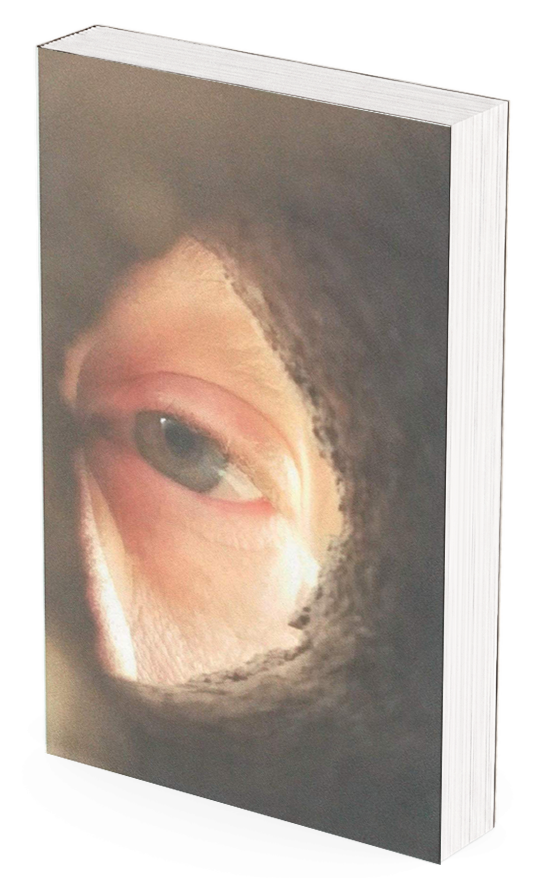
Book Summary
Meet the legendary Viper Bugloss who inhabits abandoned trailers and preys on campgrounds. Take a road trip with Carl Jung and his mother up the Little Spokane River to find "the split" in consciousness. Go on an erotic journey with Anais Nin to the Waikiki Ranch. Check into the Dream Fishing the Little Spokane Library where forgotten voices come to mind. Eavesdrop on Walt Whitman and Chief Spokane Garry as they wrestle with the material problem that is America. Hang in the slack water with Mister White, a neighboring mountain whitefish who corresponds with the speaker—all in the short stories contained in Jeffrey Dunn’s Dream Fishing the Little Spokane.
Book Info

Title: Dream Fishing the Little Spokane
Author’s name: Jeffrey Dunn
Category: Magical Realism, Literary, Short Stories
Release date: October 2, 2017
Page size: (W x H): : 5 x 8
Word count: 32,400
Page count: 154
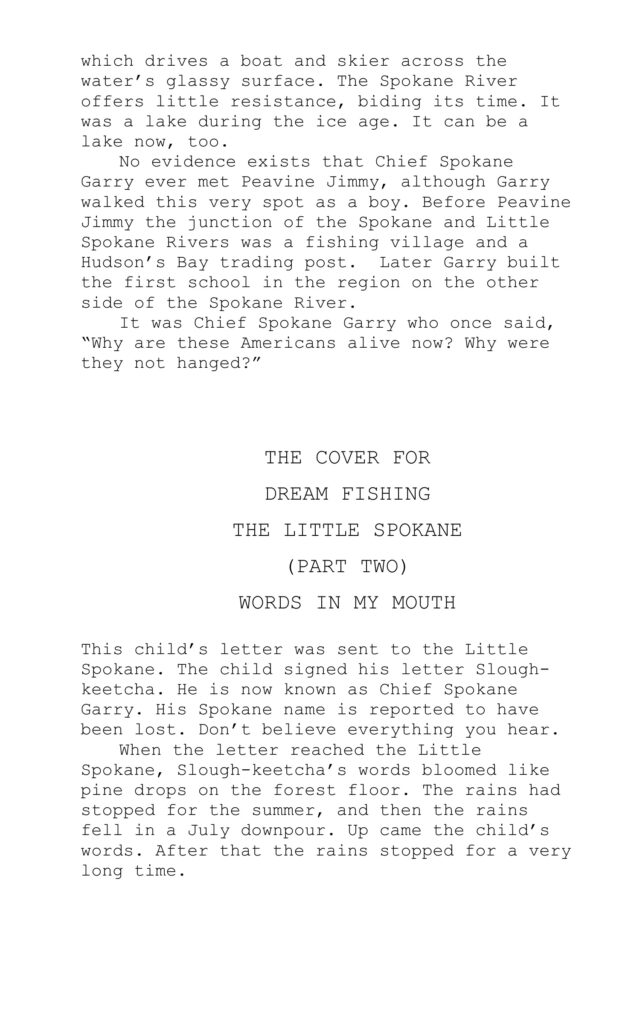
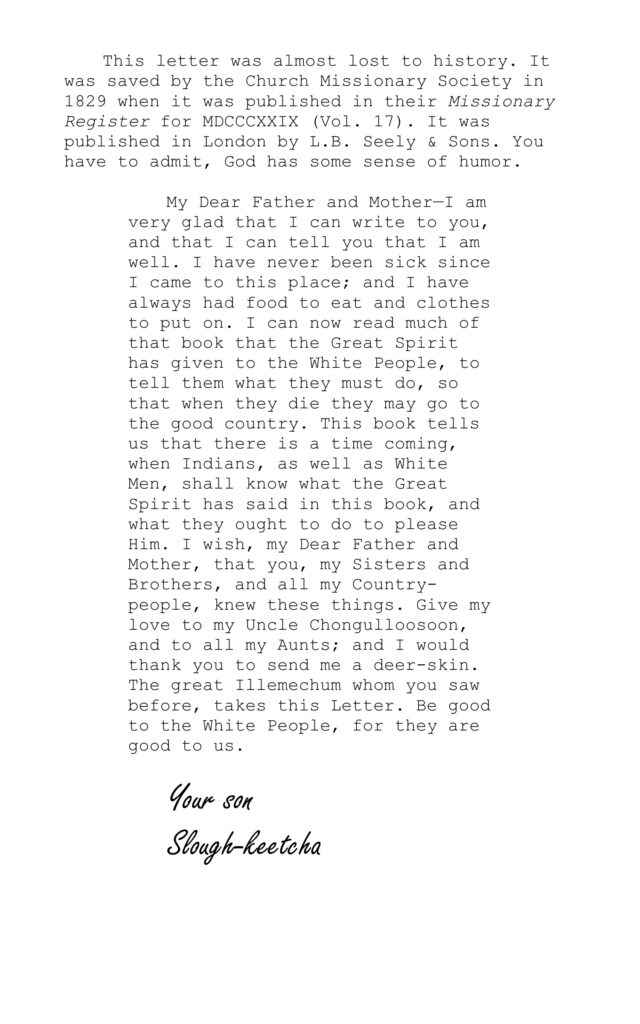
Book Sample
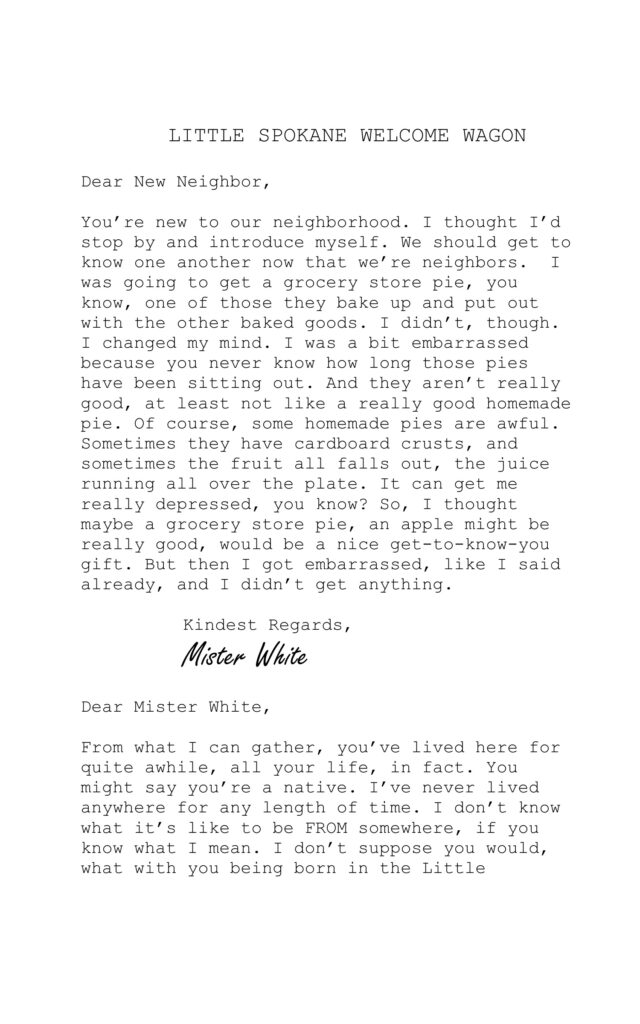


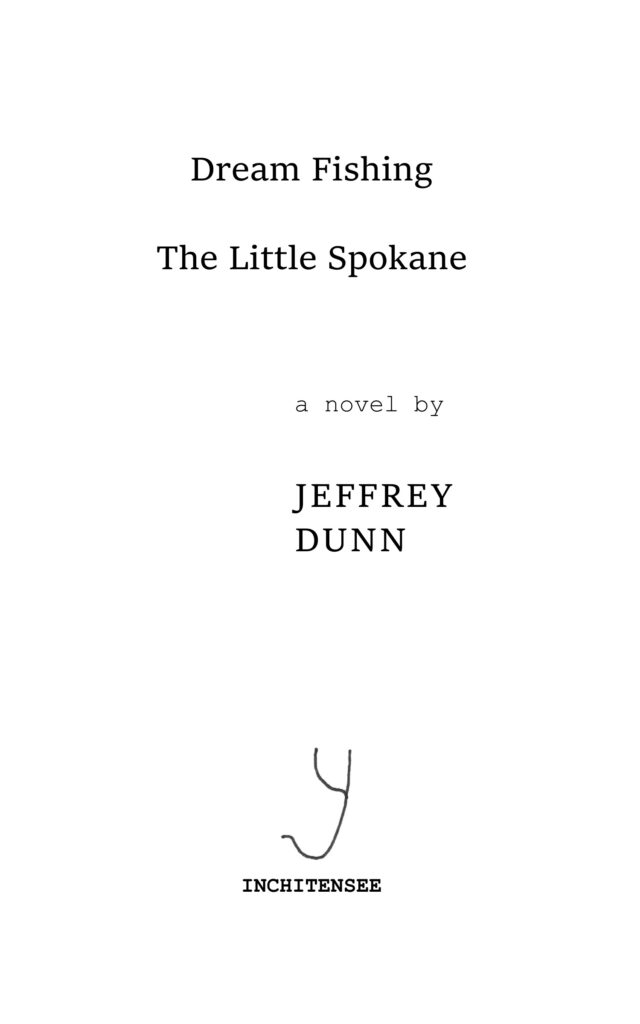
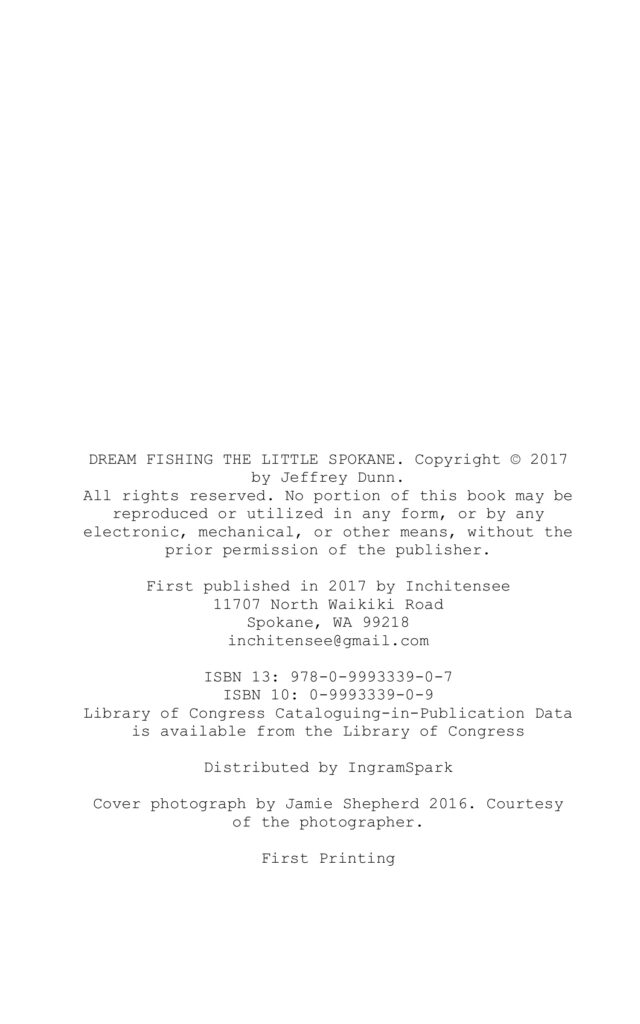



Reviews
Kirkus Reviews
A debut abstract novel ponders the intersection of nature, history, and writing.
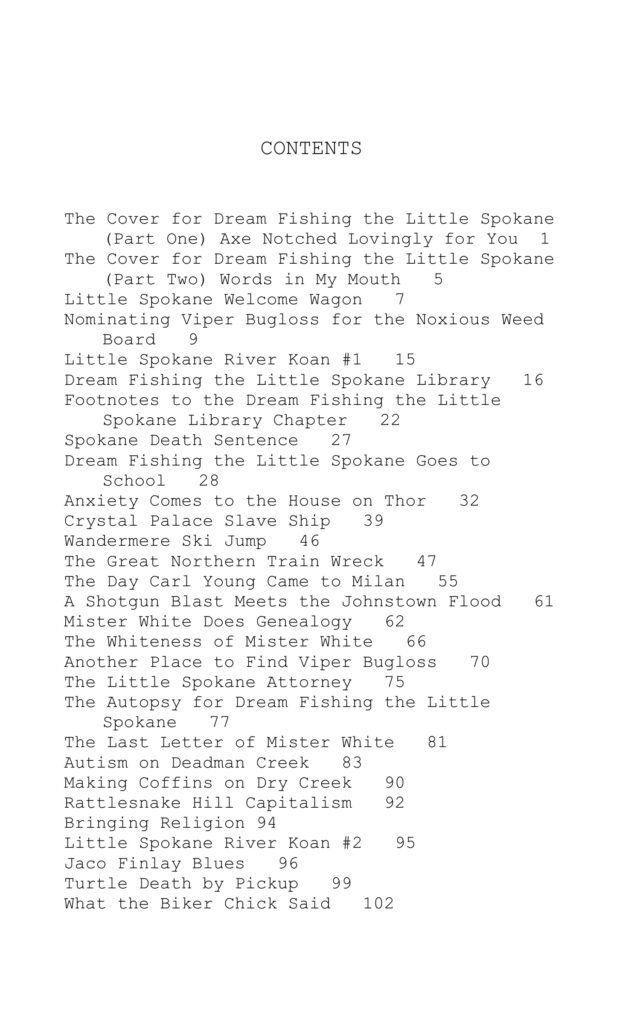
The Little Spokane River, a 35-mile-long tributary of the Spokane River in eastern Washington state, is the geographic and spiritual nexus for this episodic tale. “Dream Fishing” is somewhat equivalent to daydreaming or woolgathering: the narrators meander through the countryside and around the riverbanks, sharing anecdotes about local characters, buildings, and books and articles they have read as well as an assortment of koans, fables, and bits of folklore. “Think of Dream Fishing as a train wreck or a library or even a visit with Carl Jung,” Dunn advises readers at one point. “Think of Dream Fishing as something in a child’s hand.” In “The Great Northern Train Wreck,” a foster child fishes for tench on the Chain Lakes and catches the ID plate from a derailed locomotive. In “What the Biker Chick Said,” the eponymous woman details the recipe for Spam fried rice at the Dragoon Creek Campground. In “Dream Fishing the Little Spokane Library,” the narrator imagines a ghostly library among the old and forgotten cemeteries in the environs of the river. In a characteristic display of metafictional winking, the subsequent chapter is called “Footnotes to the Dream Fishing the Little Spokane Library Chapter.” It begins: “I was thinking you might like some explanation for what’s in the ‘Dream Fishing the Little Spokane Library’ chapter. You might have the impression that we writers sometimes get a bit carried away.” These short pieces, which turn away from one another and back again like bends in the river itself, accumulate in readers’ minds to form a picture not just of a place, but of a certain mindset: melancholic, irreverent, and untamed. Dunn writes in a conversational prose that is nevertheless capable of moments of sincere lyricism: “I was thinking about America’s children, the way they leave their morning homes, sleepy eyed, their breath fogging the frostbite air.” At other points, he seems to attempt to goad readers into skipping ahead to the next chapter, offering a timeline of the events in the life of a 19th-century police officer or a chart of “U.S. Yearly Road Kill Estimates.” While certain characters recur, the protagonist of this wayward text is Dunn himself, leading readers through a series of mostly unrelated segments. The author references Richard Brautigan several times throughout the volume. Brautigan’s Trout Fishing in America is clearly the primary influence here. For some readers that may be welcome; for others, it may be a good sign that they should stay away. As in Brautigan’s books, Dunn’s work operates by its own internal logic that is often quite opaque. One exchange between characters early on accurately captures the experience of reading the novel: “What do you think of that?” “Wow, that’s quite a story.” “Sure is. Makes you think, doesn’t it?” “Maybe. Makes you think about what?” “I don’t know, just makes you think.” Indeed.
A Brautigan-esque ramble through a river’s history.
Jack Nisbet (author of The Dream and the Doctor)
Dream Fishing is a hoot that goes down easy. I can hear Dunn's voice as if we were walking through the bugloss with that teacher's class from North Carolina, trying to convince them it wasn't all that surreal.
Thoreau (Amazon Reader)
5 Stars Historical, Literary, and Poetic—Great Read!
I'm not familiar with Richard Brautigan's writing, which is part of the inspiration for Dream Fishing the Little Spokane, but Dunn certainly is, and his style makes for a pleasant reading experience. Dunn organizes his book through interwoven chapters which focus on the Little Spokane River and its natural environs. Characters are introduced, then disappear, then reappear like a curious trout exploring the water's surface, and then its depths. I was very interested in learning the lesser-known history of the region, offered through poetical backstory. Among my favorite chapters are "Crystal Palace Slave Ship" which makes it impossible for the reader to pretend to forget his own childhood experiences in sadistic insect torture. "Making Coffins On Dry Creek" proves to be a visceral stint that left me wanting to read more on the topic. "Autism On Deadman Creek" invites the reader into the swirling mind of an autistic narrator who finds solace in the pastoral setting of the Inland Northwest's flora and fauna, albeit in an area where a 19th century homicide occurred, giving the creek its morbid name. Perhaps my favorite section is "The Day Walt Whitman Came To Inchitensee." It's a pseudo visit to the area by American poet Walt Whitman, with his traveling companion Ada and her newborn son, Aubrey, who was "swaddled like Jesus tucked in a fortune cookie." At one point, the trio meet Chief Garry, who accepts them cautiously: "Now I am thinking if you are a Frenchman and have our land written down on a paper, you should go away." Walt the pacifist of course has no intention of infringing on the Native soil. He only wishes to be among Garry and his people for a while. And like Walt's brief sojourn to the Little Spokane, I found myself wanting more to read after the last page. I look forward to subsequent publications from the author.
Author Bio
Jeffrey Dunn, featured on NPR and Medium, is the author of the critically acclaimed Whiskey Rebel, Wildcat: An Appalachian Romance, and Radio Free Olympia. He is an advocate for educational reform, drawing on his award-winning forty-one-year teaching career, his Ph.D. in English Literature and Cultural Studies, and his experience with dyslexia.
Get Your Copy of Dream Fishing the Little Spokane